ARTICLES
Flying With a Lap Infant: What to Expect, What to Bring

By Alex’s parents, StrollerSelect editors · Published · How we research
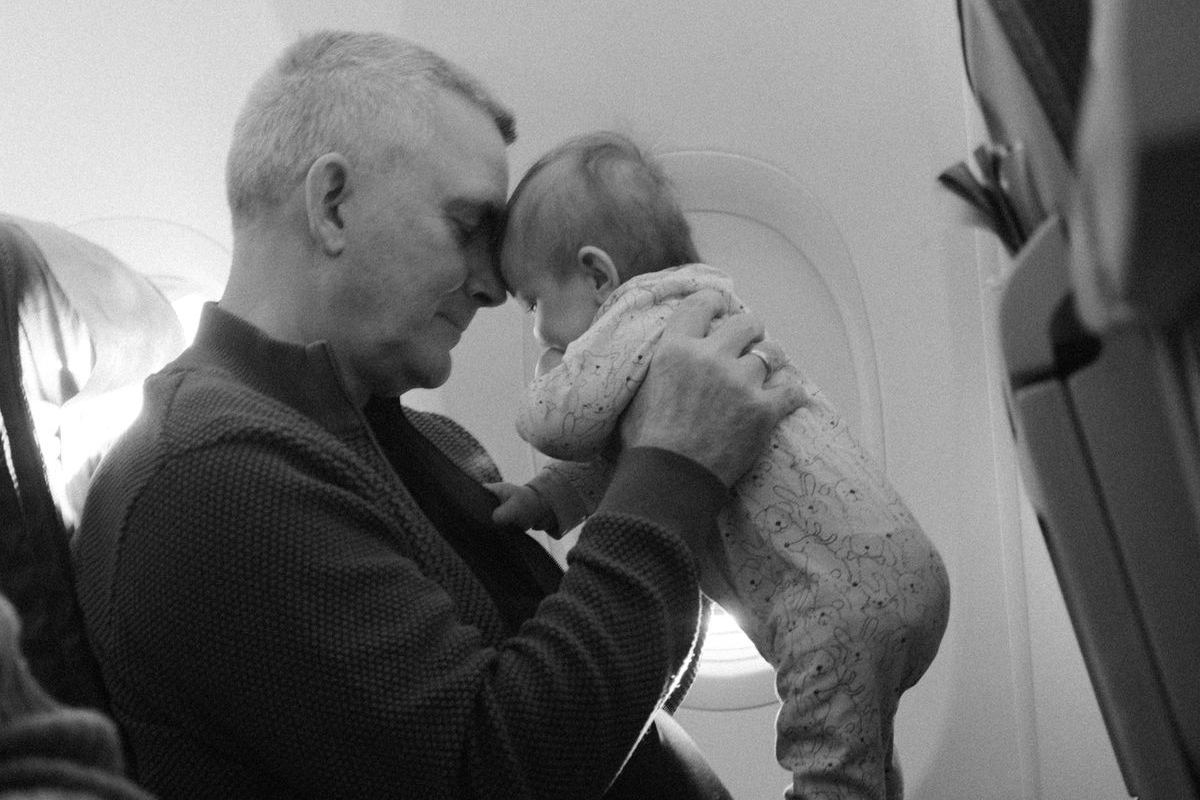
On US airlines, a child under two can usually fly on an adult’s lap without their own seat. It saves a fare, and it means the trip runs on your arms. Here is how the day actually goes, and what makes it easier.
Before you book
- Add the infant to the booking. Even a free lap infant has to be on the reservation - airlines cap how many infants can sit in each row because of the number of extra oxygen masks.
- International flights usually cost something. Lap infants on international itineraries typically pay taxes and a percentage of the adult fare.
- Bring proof of age. Airlines can ask for a birth certificate or passport, especially near the second birthday.
- A bought seat is safer. The FAA recommends children fly in an approved car seat rather than on a lap. If your child has their own seat, check the car seat’s label for aircraft certification.
Your stroller at the airport
Every airline we track lets you check a stroller free of charge at the gate or the ticket counter. The practical question is whether yours can come into the cabin instead - that depends on its folded size and the airline’s policy, and it is what our airline stroller pages and size chart are for.
- Push the stroller right to the aircraft door, fold it there and hand it over for gate-checking.
- Ask for the gate-check tag when you reach the gate, not at the door.
- A padded gate-check bag protects the frame and keeps the small parts together.
- If you are also bringing a car seat, most US airlines let you check one stroller and one car seat free per child.
Security with a baby
- Breast milk, formula and baby food are allowed in reasonable quantities above the usual liquid limit - tell the officer at the start of screening and expect them to be screened separately.
- You carry the baby through the metal detector; the stroller and carrier go through the X-ray.
- Wear shoes you can slip off with one hand.
Onboard
- Feed on the way up and down. Sucking - bottle, breast or pacifier - helps with pressure changes.
- Ask about a bassinet on long-haul flights. Many widebody aircraft have bulkhead bassinet positions for infants under a weight limit set by the airline. They are limited, requested in advance and never guaranteed.
- Changing tables are usually in one or two lavatories only; the flight attendants know which.
- Pre-boarding for families is common but not universal - ask at the gate.
What to pack in the diaper bag
Our free flying-with-a-baby checklist has the full list. The short version: a diaper per hour plus extras, two changes of clothes for the baby and one top for you, wipes, a changing pad, two feeds more than you think you need, a comfort object, and a charged power bank.
Which stroller for a lap-infant trip?
With a baby in your arms, prioritize a one-hand fold and use from birth. These are the models that do both:
| Stroller | Weight | Folded | Newborn setup | Price |
|---|---|---|---|---|
| Joolz Aer² | 14.3 lb | 20.9 × 17.3 × 9.2 in | From birth with the included baby net | ~$549 |
| Bugaboo Butterfly 2 Plus | 16 lb | 17.6 × 9.6 × 21.8 in | Fully flat recline from birth | ~$579 |
| Mompush Nexis | 11.5 lb | 18.1 × 7.9 × 19.1 in | From birth, budget price | ~$200 |
| UPPAbaby Minu V3 | 16.7 lb | 10 × 18 × 21.5 in | Carriage mode for newborns | ~$500 |
| Silver Cross Clic | 13.9 lb | 21 × 18 × 9 in | Lie-flat from birth, 55 lb limit | ~$400 |
All five fold with one hand. For the full list, see the best travel strollers for newborns.
The realistic version
A lap-infant flight with a baby under about eight months is usually calmer than people expect: they feed, they sleep, they get passed around. It gets harder as they become mobile - somewhere after one, buying the seat starts to look like money well spent.